Introduction
Many drivers are tempted by larger wheels because they make a vehicle look noticeably sportier and more modern. 20 and 21 inch wheels in particular are in high demand today on powerful cars and SUVs. At the same time, the question arises whether these sizes really make sense or are mostly a visual upgrade. This is often where uncertainty creeps in, because the effects on everyday driving and handling are not always clear.
If you are guided by looks alone, you can quickly run into drawbacks in daily use. Larger wheels often mean a lower tyre profile, which reduces comfort. The risk of damage also increases, especially on poor roads or in frequent city traffic. Purchase and tyre costs rise too, which should be taken into account when making your decision.
In this article you will learn when 20 or 21 inch wheels really make sense and which vehicles and driving styles they suit. We show you the advantages in terms of looks and handling, as well as the possible drawbacks in everyday use. We also explain how modern wheels, such as the models from TEC Speedwheels, can offset these challenges. That way you can make an informed decision about whether larger wheels suit your vehicle.
When Large Wheels Really Make Sense Visually
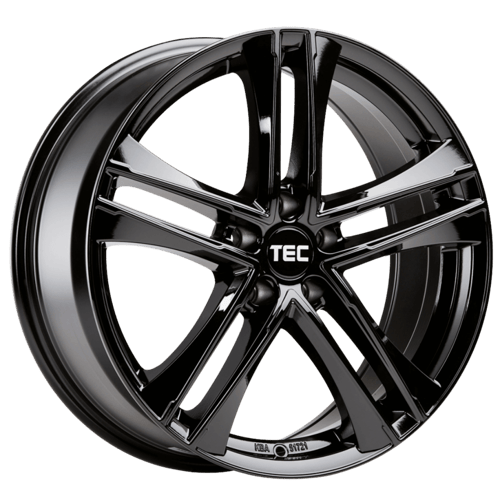
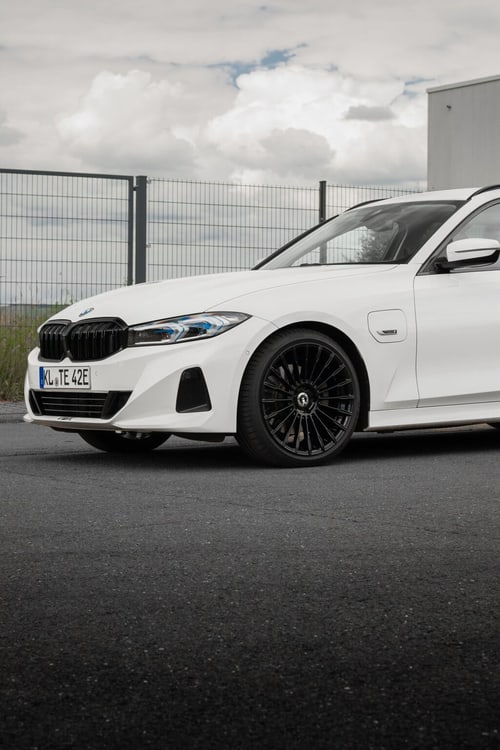
The most obvious advantage of 20 or 21 inch wheels is their appearance. Larger wheels fill the wheel arch better and make the vehicle look wider and lower overall. On sporty cars and SUVs in particular, this creates a much more dynamic impression. Lines and proportions look more harmonious because the wheel is better matched to the size of the vehicle.
This effect is especially important with modern vehicle designs. Many cars are already designed from the factory for larger wheels, which makes smaller options look less convincing. Series from TEC Speedwheels pick up on this trend and offer designs developed specifically for larger diameters.
The following overview shows the visual differences:
| Size | Effect | Impression |
|---|---|---|
| 18-19 inch | balanced | classic |
| 20 inch | sporty | modern |
| 21 inch | dominant | very striking |
This table makes clear that larger wheels win people over above all with their looks. They make particular sense if the vehicle is meant to convey a sporty or premium impression.
Looks are therefore a key reason why many people opt for larger wheels.
How 20 and 21 Inch Wheels Affect Handling
Larger wheels change handling noticeably. Thanks to the lower tyre profile, the vehicle feels more direct and responds more quickly to steering input. The driving feel becomes more precise and sportier, which is especially noticeable when driving dynamically. Many drivers see this as a clear advantage.
At the same time, the load on the suspension increases. Bumps are damped less, so the ride feels firmer. On longer journeys or poorer roads in particular, this can feel less comfortable. The balance between dynamics and comfort therefore shifts considerably.
Here is an overview of the differences:
| Characteristic | Smaller wheels | Large wheels |
|---|---|---|
| Steering behaviour | softer | more direct |
| Comfort | high | reduced |
| Dynamics | moderate | very high |
This table shows that larger wheels are designed primarily for performance. Models from TEC Speedwheels are engineered to deliver stable, precise handling despite their larger diameter.
Handling therefore becomes much sportier, but also more demanding.
Which Vehicles Suit 20 or 21 Inch Wheels
Not every vehicle is suited to large wheels. Larger vehicles such as SUVs or powerful saloons in particular benefit from 20 or 21 inch wheels, as they match the proportions better. These vehicles are often already designed for larger wheel dimensions from the factory.
Compact cars, on the other hand, quickly look oversized with very large wheels. It can also be technically harder to fit larger wheels sensibly. The choice should therefore always be matched to the vehicle class.
Below you will find typical areas of use:
Below you can see suitable vehicle types:
| Vehicle type | Recommendation | Reason |
|---|---|---|
| SUV | very well suited | fitting proportions |
| Saloon | suitable | sporty look |
| Compact car | limited | often looks too large |
This table shows that larger wheels make the most sense on larger vehicles. TEC Speedwheels offers suitable models developed specifically for these vehicle classes.
Vehicle size is therefore a decisive factor when choosing.
Which Everyday Drawbacks You Should Consider
Despite the advantages, larger wheels also come with some drawbacks in everyday use. The lower tyre profile means that bumps are felt more strongly. Potholes or kerbs can cause damage more easily, as there is less cushioning.
Sensitivity to external influences also increases. Larger wheels are more prone to scratches and damage, especially in city traffic. If you frequently drive on narrow streets or poor road surfaces, you should bear this in mind.
Here is an overview of typical drawbacks:
| Factor | Smaller wheels | Larger wheels |
|---|---|---|
| Comfort | high | lower |
| Protection | better | reduced |
| Everyday use | uncomplicated | more demanding |
This table shows that larger wheels require more attention in everyday use. High-quality models, such as those from TEC Speedwheels, offer a robust construction, but the difference remains noticeable.
Suitability for everyday use is therefore an important aspect of the decision.
Why Quality Is Especially Important for Large Wheels
The larger a wheel is, the higher the demands on material and construction. Large wheels have to be particularly sturdy to cope with the higher loads. At the same time, weight should be optimised so that handling is not adversely affected.
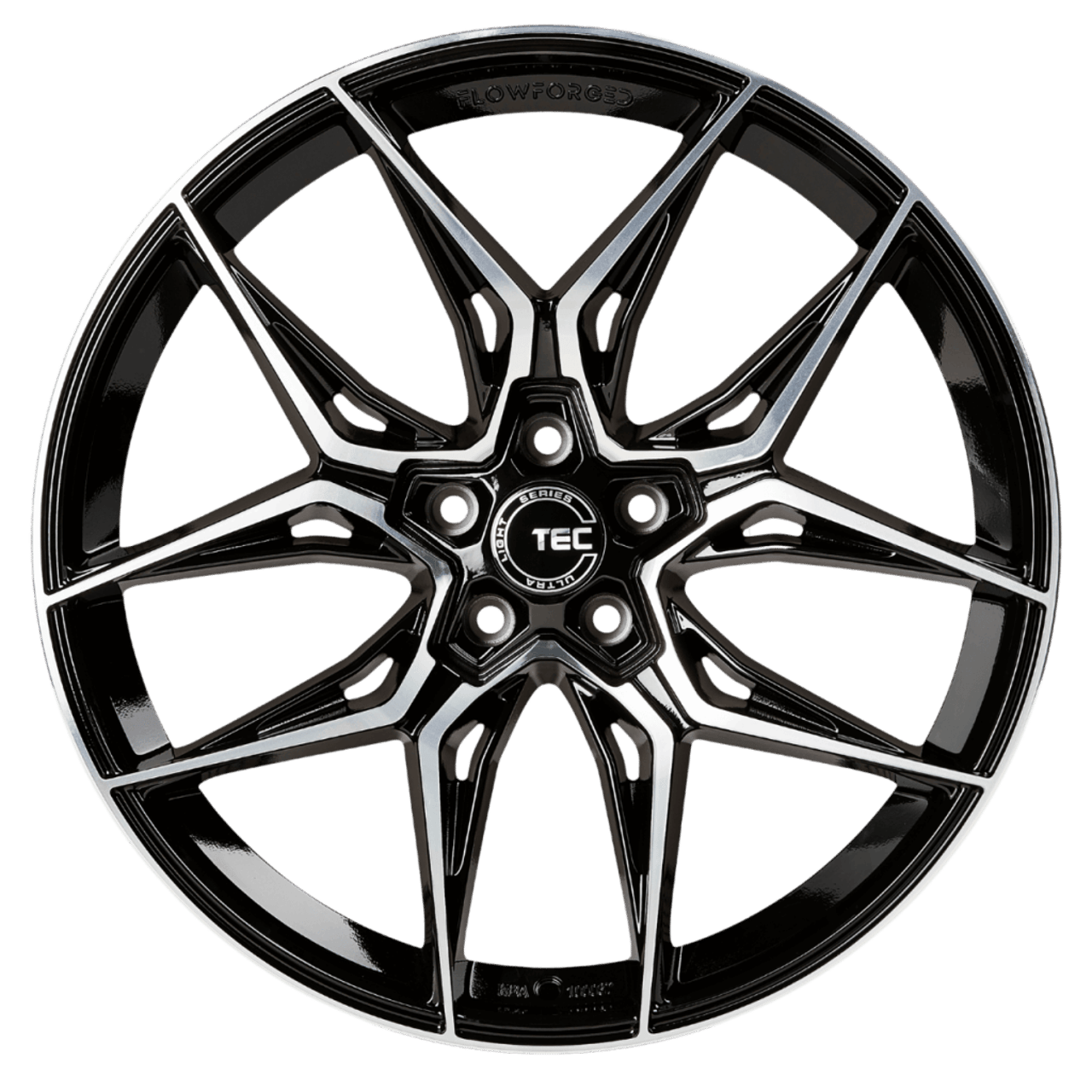
Modern manufacturing processes make it possible to meet these requirements. Alloy and Flowforged wheels offer a good combination of strength and low weight. Series from TEC Speedwheels show how these technologies are used to make large wheels suitable for everyday driving.
Quality therefore plays a decisive role. A high-quality wheel ensures that you can enjoy the advantages of large wheels without needlessly amplifying the drawbacks.
With 20 or 21 inch wheels in particular, you should therefore look for high-quality models.
Conclusion - When Do 20 or 21 Inch Wheels Really Make Sense?
20 or 21 inch wheels make sense above all when looks and sporty handling are the priority. They are particularly suited to larger vehicles and to drivers who value a modern appearance. At the same time, comfort and everyday practicality should be taken into account, as these can be limited with larger wheels. If you find the right balance and choose quality, you benefit from a combination of design and performance.
Frequently Asked Questions About "When Do 20 or 21 Inch Wheels Really Make Sense?"
Many drivers wonder whether larger wheels are really worthwhile or whether they mainly offer visual benefits. The decision depends on several factors that are not always immediately obvious. The following answers help to clarify the key questions in plain terms.
"Are 20 inch wheels practical for everyday use?"
20 inch wheels can be used every day, but they are less comfortable than smaller options. They are particularly suited to drivers who value looks and sporty handling.
"When are 21 inch wheels worthwhile?"
21 inch wheels are worthwhile mainly on larger vehicles such as SUVs or sporty saloons. They have a strong visual impact and a very direct driving feel.
"Will I lose comfort with larger wheels?"
Yes, the lower tyre profile provides less cushioning. This makes the ride feel firmer.
"Are large wheels more prone to damage?"
Yes, because there is less tyre material, the risk increases with potholes or kerbs.
"Does size affect the cost?"
Yes, larger wheels are more expensive to buy and lead to higher tyre costs.
"Which wheels are ideal for sporty vehicles?"
Larger wheels are particularly suitable for sporty vehicles, as they improve both looks and handling. Models from TEC Speedwheels offer suitable solutions here.
Our team in Kaiserslautern checks size, offset and approvals for your car. Free and without obligation.
Wheel configurator