Introduction
Many drivers want to improve their vehicle visually and technically at the same time, but do not know exactly how to recognise a truly high-quality wheel. Online there are countless offers in different price ranges, and in pictures many wheels look equally good. Yet between a robust, durable wheel) and an inferior variant there are often big differences that are hard to judge without background knowledge. As a result, many buyers remain unsure and are guided purely by design.
If the wrong decision is made, it can have unpleasant consequences. Inferior wheels can be damaged more quickly, lose strength in the long run or be technically inadequately designed. An inadequate coating can also mean the wheel suffers visible damage after only a short time. In some cases a wheel does not even fit the vehicle technically, which leads to additional inspections or problems at the main inspection (Hauptuntersuchung). Without knowing clear quality features, a purchase can become unnecessarily expensive and frustrating.
In this article you will learn, clearly and practically, how to recognise high-quality wheels, which technical values are decisive and how to judge quality reliably from material, manufacturing, coating and approvals. Models from TEC Speedwheels serve as an illustrative example, because the technical data is presented particularly transparently there. By the end you will know exactly what matters for choosing a durable, safe and visually strong wheel.
Which materials and manufacturing processes are a quality feature
The quality of a wheel depends strongly on the manufacturing process. Cast wheels, Flowforged models and forged wheels differ in how the material is processed and what strength results. Cast wheels are poured into a mould, which makes them strong but somewhat heavier. Flowforged wheels are created by additionally rolling the wheel rim, which compacts the material and makes it lighter. Forged wheels are particularly strong but very elaborate and costly.
The following overview shows the most important differences between the processes:
| Manufacturing process | Material structure | Typical property |
|---|---|---|
| Casting | uniform, solid | reliable and attractively priced |
| Flowforged | specifically compacted | lighter with high strength |
| Forging | extremely compacted | very strong, but expensive |
This overview shows that high-quality wheels not only have to look good but should come from a process that supports their intended use. At TEC Speedwheels you can usually recognise Flowforged models by clearly lower weights that still offer a strong structure. For drivers who value sporty and precise handling, Flowforged is often an ideal choice.
A high-quality manufacturing process ensures that the wheel is not only strong but also keeps its shape and rigidity in the long term. The process is therefore one of the most reliable quality features of all.
How weight and strength allow conclusions about quality
The weight of a wheel is more than a number; it determines the whole driving feel. High-quality wheels use material efficiently and are designed to be as light as possible despite high strength. Lower unsprung mass means the suspension) reacts faster and the vehicle turns in more directly. At the same time, the wheel must be strong enough to reliably withstand loads from braking, cornering or uneven roads.
The overview shows typical weight ranges:
| Wheel type | Weight (depending on model) | Effect on the vehicle |
|---|---|---|
| classic cast wheel | usually higher | solid, comfort-oriented |
| Flowforged wheel | reduced | dynamic, more precise feedback |
| forged wheel | very low | maximum performance |
This overview makes clear that weight can be a key indicator of quality, but only in combination with sufficient strength. The technical documents from TEC Speedwheels clearly show the wheel loads and weights for each model. This lets you see directly how efficiently the wheel is constructed and whether it suits the vehicle.
A high-quality wheel finds the ideal compromise between lightness and strength. Neither too heavy nor too fragile, it should match the requirements of the vehicle and driving style exactly.
Why the coating is decisive for durability and suitability for everyday use
Many people only recognise high-quality wheels by the surface. The coating not only protects against dirt and salt but also decides long-term looks and durability. Modern wheels have multi-layer paint finishes or powder coatings that are much more resistant than simple single-layer paint. In winter in particular, the surface must be durable so that salt and moisture cannot eat into the structure.
Below you will find typical coating variants:
| Type of coating | Resistance | Suitability for everyday use |
|---|---|---|
| simple paint | low | more vulnerable in winter |
| powder coating | high | robust against salt and dirt |
| multi-layer structure | very high | long-lasting and easy to care for |
This table shows that a high-quality wheel must have a robust and even surface. With TEC Speedwheels, many models carry notes on salt spray tests or robust multi-layer paint finishes that support a long service life. This keeps the wheel visually appealing and structurally sound even after several seasons.
The surface is therefore not just a question of looks but a central quality feature. A good coating protects the material and ensures a much longer period of use.
Which approvals are a mandatory quality feature
Regardless of the manufacturing process and looks, approvals are an important feature of high-quality wheels. An ECE marking means that the wheel corresponds to the dimensions of an original wheel and can be used without registration. An ABE (general type approval) lists models for which the wheel may likewise be driven without registration, as long as all conditions are met. A parts certificate (Teilegutachten), on the other hand, allows use only after technical registration.
Below you will find the most important types of approval compared:
| Approval | Meaning | Use |
|---|---|---|
| ECE | corresponds to original dimensions | completely free of registration |
| ABE | vehicle-specific approval | usable without registration |
| Parts certificate | technical test basis | registration necessary |
This overview shows that approvals are not only legally relevant but also allow conclusions about quality. Wheels with ECE or ABE have been through test processes and meet clear technical requirements. In the technical data from TEC Speedwheels the approvals are clearly labelled, so drivers know immediately how the wheel may be used.
A high-quality wheel is always properly documented and has traceable approvals. Without these values, an important part of technical safety is missing.
How finish, details and design quality create visible differences
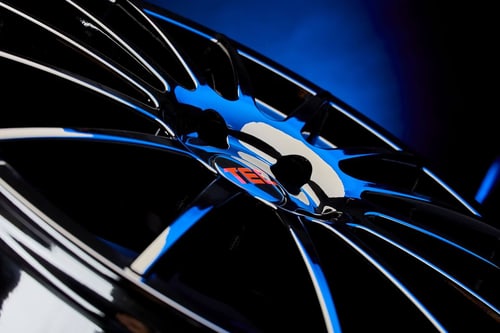
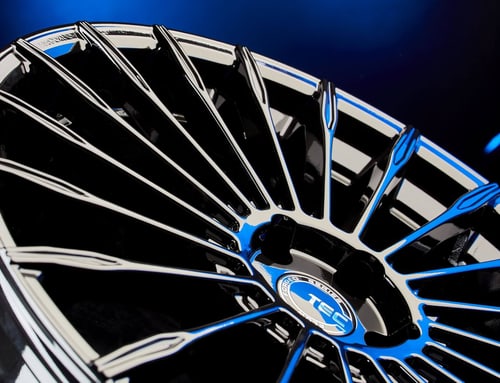
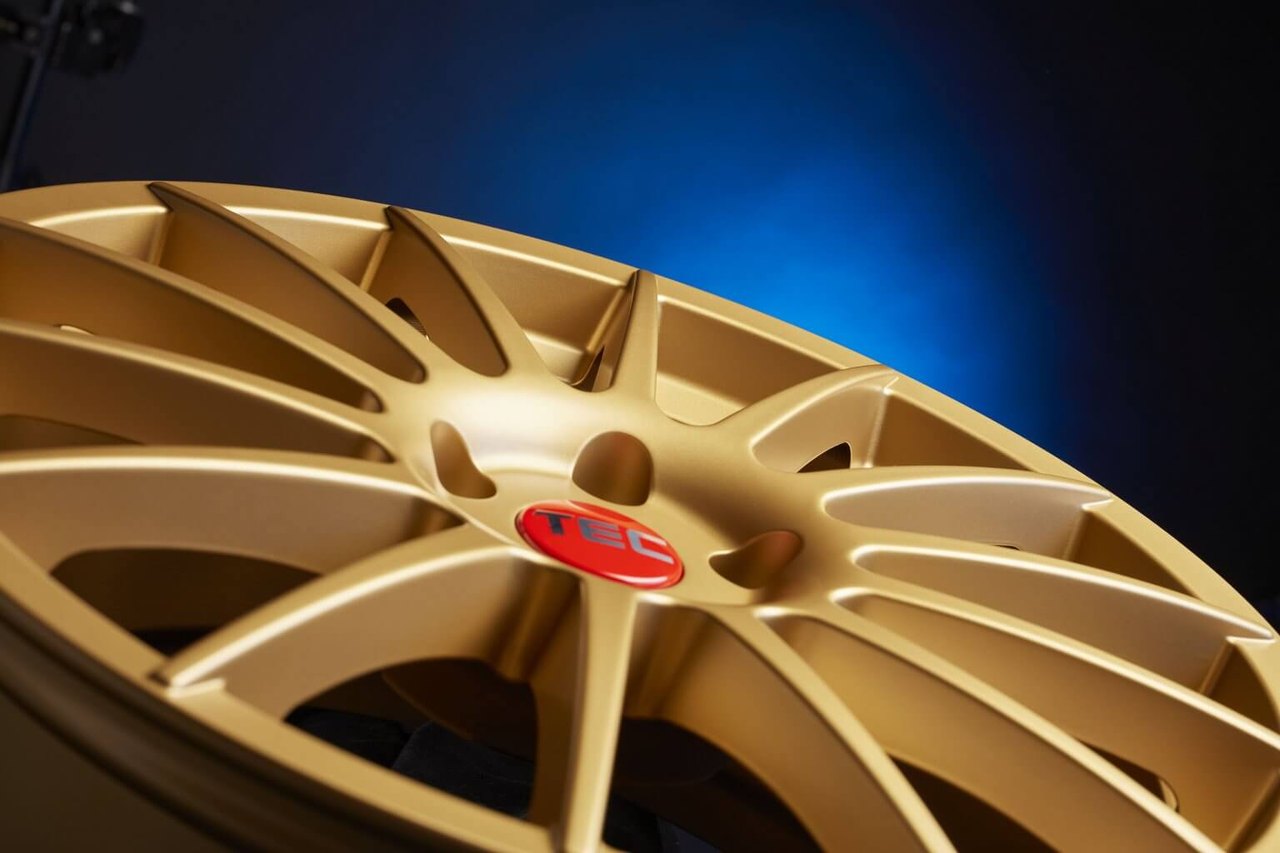
Besides technology and approval, finish plays an essential role. Clean edges, even spoke shapes and precise surface quality show how well a wheel has been made. Tight tolerances in production ensure that the wheel runs true and the vehicle stays smooth. The design itself also influences quality, because strong shapes allow an even distribution of forces.
A table on the effect of design is particularly helpful here:
The overview shows typical quality features in design:
| Design detail | Quality feature | Effect |
|---|---|---|
| even spokes | precise manufacturing | smooth running |
| clean edges | high-quality shaping | modern look |
| robust structure | even load distribution | high strength |
This overview shows that design is not only visual but also technically relevant. Many wheels from TEC Speedwheels combine modern lines with strong shapes, because a good design always distributes forces optimally too. A high-quality wheel therefore not only looks refined but also feels stable and harmonious in handling.
The eye often recognises faster than any technical analysis whether a wheel looks high-quality. Yet behind a beautiful shape there is always precise manufacturing technology.
Conclusion – how to recognise high-quality wheels reliably
High-quality wheels can be recognised by a combination of material, manufacturing, coating, approvals and finish. The more efficient the manufacturing process, the lighter and stronger the wheel. A robust coating ensures long-term durability, while clear approvals and documented technical values provide safety. In the TEC Speedwheels documents these features can be followed clearly, which makes choosing a high-quality wheel particularly easy.
When all factors come together, the result is a wheel that convinces not only visually but is also technically safe and durable. The right choice provides not only a modern appearance but also an improved driving feel and high suitability for everyday use.
Frequently asked questions about "How do I recognise high-quality wheels?"
The question of wheel quality occupies many drivers, because the range is large and the differences are not recognisable at first glance. At the same time, wheels are a safety-relevant component, so misunderstandings can quickly lead to problems. Many prospective buyers wonder which factors are really important, how to interpret technical data correctly and what to pay particular attention to when choosing. The following answers provide clarity and help you make a safe decision.
How can I tell whether a wheel is strong enough?
A strong wheel has sufficient wheel load values, which are stated in the technical documents. These values must always match the vehicle's axle load. High-quality manufacturing ensures that the structure is even and load-bearing. Flowforged wheels, for example, have compacted material areas that offer high strength. In the technical data from TEC Speedwheels you can see directly which models are suitable for which load ranges.
Why does wheel weight play such a big role?
The weight of a wheel influences the unsprung mass and thus the whole driving feel. Lighter wheels react faster to bumps and give a more direct steering feel. At the same time, a wheel must not be too light, so as not to lose strength. Flowforged wheels often offer a good middle way here. The weight tables in the product information show how efficient the ratio between strength and lightness is.
Are more expensive wheels automatically higher quality?
A higher price can indicate a more elaborate manufacturing process or a particularly robust coating, but it does not automatically guarantee higher quality. What matters are the technical data, the approvals and the finish. Many high-quality wheels can be found in the mid-price segment if material and manufacturing are right. The TEC Speedwheels documentation shows transparently which technical values apply to which model.
What role does the coating play in high-quality wheels?
The coating protects the wheel against corrosion, dirt and weather. The more robust the paint or powder coating, the more durable the wheel stays. The difference between simple and high-quality surfaces shows especially in winter. With TEC Speedwheels you can read precise notes on surface finish, so you can quickly see which models are particularly easy to care for.
Why is a parts certificate not a quality feature?
A parts certificate only means that a wheel can in principle be technically suitable. It says nothing about the quality of manufacturing or materials. Only the finish, the coating and the documented wheel loads determine how high-quality a wheel really is. An expert report is therefore merely a technical document, not an indication of quality.
How do I recognise high-quality wheels at first glance?
A first impression reveals a lot about the finish. Even edges, precise spoke shapes and a clean surface are clear signs of quality. But only the technical data confirms how strong and durable a wheel actually is. The TEC Speedwheels product information combines these two areas, so both looks and technology can be assessed transparently.
Our team in Kaiserslautern checks size, offset and approvals for your car. Free and without obligation.
Wheel configurator