Introduction
Many drivers enjoy a gleaming set of alloy wheels, but after a few weeks at the latest they notice how quickly brake dust, moisture and dirt settle on the surface. Modern wheels with tight spokes or elaborate designs in particular quickly look less well kept if they are not cleaned regularly. At the same time, many people want to avoid damaging the wheel) with cleaners that are too harsh or the wrong tools. This is where uncertainty begins, because it is hard to judge which cleaning methods are really suitable.
If wheel care is done wrongly, damage can build up in the long term. Aggressive cleaners attack the coating, hard brushes cause scratches, and cleaning too rarely lets brake dust bake in. The winter months also put alloy wheels under heavy strain, because salt and moisture can cause corrosion more quickly if the surface is not well protected. Anyone who is careless here risks a dull, damaged surface that is difficult or impossible to restore completely.
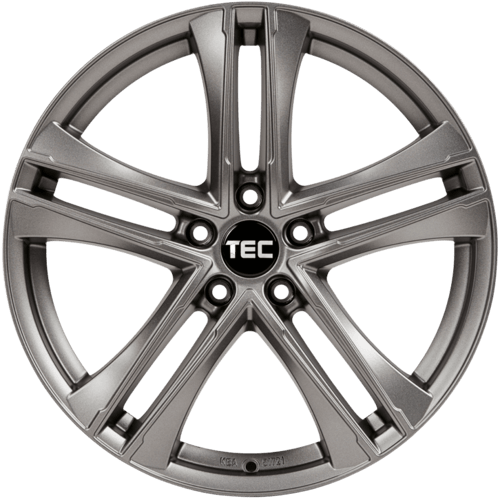
In this article you will learn, clearly and practically, how alloy wheels keep their shine for good, which cleaning methods make sense and what you should definitely watch out for. We also show how robust coatings, as used by TEC Speedwheels on many models, reduce the care effort. By the end, you will know exactly how to keep your wheels clean, shiny and protected in the long term.
Why Regular Cleaning Is the Most Important Foundation for Shiny Wheels
One of the most important measures for lastingly beautiful alloy wheels is consistent, regular cleaning. Brake dust consists of metal particles that heat up strongly and can bond with the wheel surface. The longer this dust sticks to the wheel, the more it "burns" into the coating and loses its solubility. This makes cleaning harder and the wheel looks increasingly dull. Regular removal prevents exactly this effect.
Many drivers underestimate how quickly dirt takes effect in rain or in winter. This effect is clearly visible on light or glossy wheel surfaces in particular. Depending on the weather and driving profile, cleaning should therefore take place at shorter intervals, because the load on the surface is greater than you might think. Wheels with high-quality coatings, as used in many TEC Speedwheels series, make care easier because dirt sticks less.
Below you will find guidance on typical cleaning intervals:
The overview below shows sensible intervals:
| Season | Recommended cleaning | Load |
|---|---|---|
| Summer | every 2–3 weeks | little salt, lots of brake dust |
| Autumn | every 2 weeks | wet roads, more dirt |
| Winter | every week | salt, cold, strong impact |
This table shows that winter in particular is a big challenge for alloy wheels. Salt attacks the surface strongly, which is why shorter cleaning intervals make sense. A high-quality multi-layer coating can significantly reduce these stresses, but regular care remains a decisive factor.
Consistent cleaning extends the life of the wheel and ensures an attractive look in the long term.
Why the Right Cleaning Product Is Decisive for Wheel Care
Not every cleaning product is suitable for alloy wheels. Aggressive, acid-based cleaners can permanently damage the surface or leave dull patches. Strongly alkaline products also attack certain paint finishes. High-quality wheels, such as the TEC Speedwheels models with robust powder coatings, do not need aggressive cleaners, but benefit instead from mild, pH-neutral products that loosen dirt without stressing the surface.
The following overview shows typical cleaning products and their effect:
The following overview shows the differences:
| Cleaning product | Effect | Recommendation |
|---|---|---|
| acid-based | removes heavy dirt, can attack the surface | use with caution only |
| pH-neutral | gentle cleaning | ideal for high-quality alloy wheels |
| alkaline | strong grease removal, can damage the coating | not recommended |
This table makes clear that pH-neutral cleaners are the best choice for long-lasting shine. They reliably loosen brake dust and road dirt without putting the surface at risk. The coating stays intact, and the wheel keeps its shine for many years. For stubborn dirt, a longer soak time is usually enough, not a harsher product.
Choosing the right cleaner not only protects the surface, but also prevents long-term damage that even frequent polishing could no longer fully put right.
Why Cleaning Tools Make a Big Difference
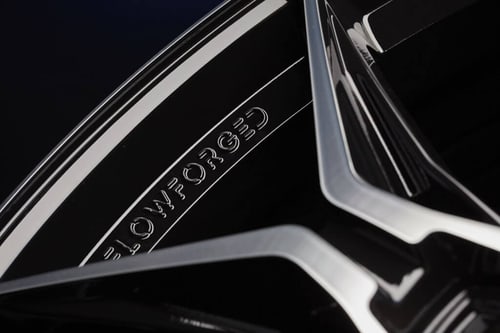
Besides the cleaning product, the tool also plays a central role. Many people use hard brushes or unsuitable cloths, which can cause micro-scratches. These scratches become visible over time and make the wheel look duller. Soft brushes, microfibre cloths and special wheel mitts make sure that even hard-to-reach areas are cleaned without damaging the surface. This is especially important with open designs or Flowforged wheels, as offered by TEC Speedwheels, because dirt easily gets into the gaps.
Below you will find typical tools and their effect:
Below you can see the properties of different aids:
| Tool | Effect | Risk |
|---|---|---|
| hard brushes | loosen dirt roughly | risk of scratches |
| soft brushes | gentle & thorough | ideal for spokes |
| microfibre cloths | gentle cleaning | low risk |
| wheel mitts | perfect control | very gentle |
This table clearly shows that using soft, gentle tools is decisive for the long-term look. Wheels with a glossy or matt finish benefit especially. As soon as the surface is damaged by scratches, dirt and brake dust stick more firmly, which in turn means more cleaning effort.
Anyone who drives high-quality wheels should therefore always make sure the tools suit the surface, in order to keep the wheel in good condition for good.
Why the Coating Determines How Easy a Wheel Is to Care For
The type of coating decides how quickly dirt sticks and how easily it can be removed again. A simple paint finish offers less protection than a powder coating or a robust multi-layer build-up. High-quality wheels benefit from this additional protection, because moisture, salt and brake dust stick much less well. This reduces the cleaning effort and the wheels stay shiny for longer.
The overview below shows the differences between the main coating types:
| Coating | Resistance | Care effort |
|---|---|---|
| basic paint | low | high |
| powder coating | high | moderate |
| multi-layer system | very high | low |
This overview shows why modern alloy wheels, such as those offered by TEC Speedwheels, are often easy to care for: their coatings are robust and resistant. The surface stays clean for longer, and dirt can be removed more quickly.
A high-quality coating therefore not only protects technically, but also ensures a gleaming appearance in the long term.
Why Sealants and Protective Layers Make Care Much Easier
Many drivers do not know how effective a wheel sealant can be. A sealant protects the surface by forming a smooth layer that makes it harder for brake dust and dirt to stick. Depending on the product, this effect can last several weeks or even months. On glossy or polished surfaces in particular, a sealant makes a clear visual difference, because the wheel looks fresh and clean for longer.
A sealant is also an excellent complement to the coating of high-quality wheels such as those from TEC Speedwheels. The surface quality is not only supported visually but also preserved. This reduces the cleaning effort in the long term.
Using a sealant is therefore one of the most sensible measures for keeping alloy wheels shiny for good.
Conclusion: How to Keep Alloy Wheels Shiny for Good
Proper wheel care consists of several factors: regular cleaning, suitable cleaning products, gentle tools, a high-quality coating and, ideally, an additional sealant. Modern alloy wheels, like many TEC Speedwheels models, are coated so that they stay beautiful for a long time in everyday use and are easy to care for. With the right care you combine visual impact and technical durability. That way the shine is visible not just shortly after washing, but for many years.
Frequently Asked Questions About Cleaning Wheels: "How to Keep Alloy Wheels Shiny for Good"
Many drivers have questions about optimal care, because alloy wheels seem more delicate than they really are. Misunderstandings about cleaning products, coatings and care intervals often mean wheels are cleaned either too rarely or incorrectly. At the same time, many want to make sure their high-quality wheels shine for the long term and stay protected in winter too. The following answers give a clear overview and clear up typical uncertainties.
Can I clean alloy wheels with household cleaners?
Household cleaners are unsuitable for wheels, because they may contain surfactants, alkalis or acids that attack the coating. pH-neutral wheel cleaners are far more suitable, because they loosen dirt gently. If the surface is treated with care, the shine lasts longer. High-quality wheels in particular benefit from products developed specifically for aluminium surfaces. Household products should therefore never be used to clean wheels.
How often should I clean my alloy wheels?
The frequency depends heavily on the season and driving conditions. In summer, cleaning every two to three weeks is usually enough. In winter it can make sense to clean the wheels even weekly, because salt and moisture have a more aggressive effect. The more regularly you care for them, the easier cleaning stays. This prevents brake dust from setting in or the surface looking dull.
Can aggressive wheel cleaners permanently damage the surface?
Yes, aggressive cleaners can attack the paint or coating, especially if they are acid-based or strongly alkaline. A damaged surface is hard to restore and makes the wheel more prone to dirt. pH-neutral cleaners are the safest choice because they are both effective and gentle. Modern wheels with robust coatings do not need aggressive products anyway.
How can I tell whether my wheel has a high-quality coating?
A high-quality coating shows itself through a smooth surface, even gloss and resistance to typical kinds of dirt. Many wheels, including TEC Speedwheels models, are marked as suitable for winter in the technical data or have been salt spray tested. These indications show that the surface is robust and long-lasting. A poor coating would show dull patches after only a short time.
Is a wheel sealant really necessary?
It is not necessary, but it offers a clear advantage. A sealant stops dirt and brake dust from sticking quickly and makes cleaning much easier. The effect is especially noticeable with a lot of city driving or powerful vehicles. A sealant also extends the life of the coating and preserves the shine for longer. Many drivers quickly notice how much easier care becomes.
How do I clean matt wheels correctly?
Matt wheels need particularly gentle care, as glossy polishes or abrasive cleaners could destroy the effect. A matt surface should only be cleaned with pH-neutral cleaners and soft tools. A special matt sealant can offer additional protection without changing the level of gloss. High-quality matt wheels from manufacturers such as TEC Speedwheels often have robust paint finishes that make care easier.
Our team in Kaiserslautern checks size, offset and approvals for your car. Free and without obligation.
Wheel configurator