Introduction
Many drivers want to improve the look of their vehicle or achieve a more precise driving feel, and so face the question of how to choose the right wheel. The choice of sizes, designs, colours and manufacturing processes seems bigger than ever, and without background knowledge it is hard to tell which wheel really fits your own vehicle. Technical terms such as offset (Einpresstiefe, ET), rolling circumference or wheel load in particular often cause uncertainty, even though they are decisive in whether a wheel may be used at all. This is where disorientation begins for many people.
If the wheel is not chosen carefully, the consequences can be unpleasant. An unsuitable offset can lead to contact in the wheel arch, incorrect wheel load ratings can compromise safety, and a design that does not suit the bodywork can make the vehicle look unsettled. Approvals such as ABE or ECE also play an important role and decide whether a wheel has to be entered in the vehicle documents. Anyone who decides in haste risks unnecessary costs and possible problems at the general inspection (Hauptuntersuchung).
In this article you will learn, clearly and in a structured way, which criteria really matter when choosing the right wheel. We look at wheel size, technical specifications, design, coating, weight, approvals and intended use. Examples from the TEC Speedwheels range show how modern wheels put these requirements into practice. That way, you will end up with the wheel that looks convincing and fits your vehicle perfectly from a technical point of view.
Why Wheel Size Is the Most Important Starting Point
Wheel size determines not only how the vehicle looks, but also the required tyre profile and the technical clearance in the wheel arch. A wheel that is too small looks visually understated, while larger wheels make the vehicle look more modern and sportier. At the same time, the technical requirements must be met, in particular the rolling circumference and the maximum size approved for the vehicle. Only when these values match can a wheel be used safely.
The following overview shows typical size ranges:
| Vehicle class | Common sizes | Effect |
|---|---|---|
| Compact vehicles | 16–18 inches | balanced & modern |
| Saloons | 18–20 inches | sporty & elegant |
| SUVs | 19–22 inches | powerful & imposing |
This table shows how differently wheel sizes look and which proportions make sense. The technical data from TEC Speedwheels lists suitable sizes for each model, making it very easy to see which sizes are possible for a particular vehicle. Size is therefore the foundation of every wheel decision.
The first step should always be to determine the technically permitted sizes and then compare your visual preferences against them.
Why Offset and Width Are Decisive for Fit
The offset (ET) determines how far the wheel sits inwards or outwards, while the width determines how much space a wheel needs overall. Both values affect the clearance in the wheel arch and have a direct influence on the look and the vehicle dynamics. A low offset means the wheel sits further out, while a high offset brings it closer to suspension components. Wheel width further amplifies these effects.
Below you will find typical combinations of width and offset:
The overview below shows common values:
| Wheel width | Typical ET values | Visual effect |
|---|---|---|
| 7.5 inches | ET 35–45 | subtle fit |
| 8.0 inches | ET 30–45 | sporty & prominent |
| 8.5 inches | ET 25–40 | clearly stronger outward presence |
This overview shows how sensitively offset and width interact. The technical documentation from TEC Speedwheels states all ET values clearly, so the fit can be determined exactly. What matters is that the wheel does not make contact with either the suspension or the wing.
A suitable ET not only gives a harmonious appearance, but also stable and safe handling.
Why the Wheel Design Must Suit the Vehicle
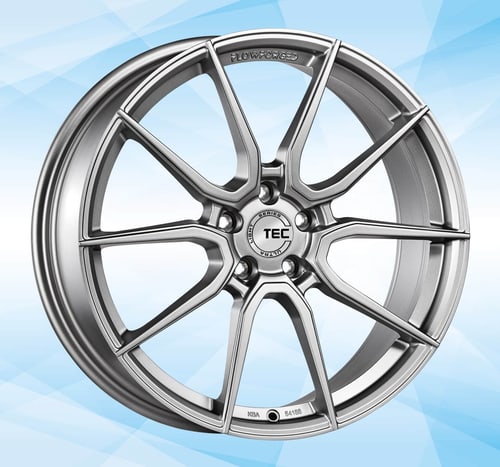
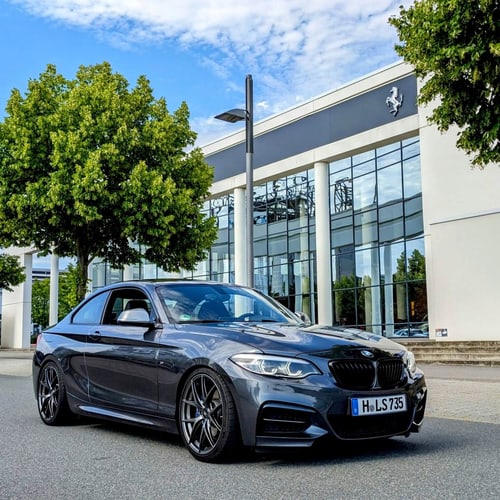
The right wheel is not only a technical decision, but also a question of looks. Delicate spokes look light and sporty, while robust spoke shapes suit SUVs especially well. Concave designs are modern and emphasise depth, while classic twin spokes convey timeless elegance. The character of the wheel must connect with the lines of the vehicle so that a harmonious overall picture emerges.
Below you will find typical design directions:
Below you can see how different designs look:
| Design type | Visual effect | Suitable for |
|---|---|---|
| delicate spokes | sporty & light | compact & dynamic models |
| concave shapes | modern & technical | sporty saloons |
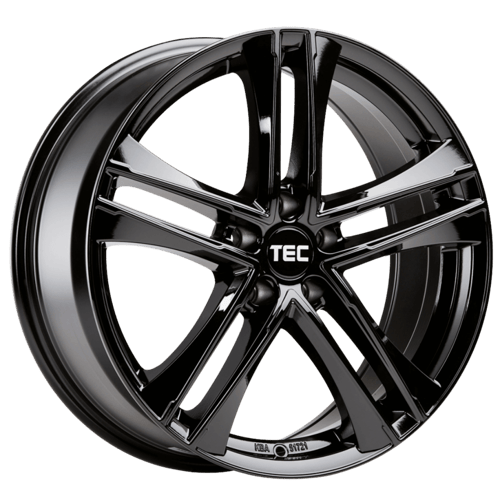
| robust spokes | sturdy & powerful | SUVs & large vehicles |
This table shows how differently designs look and which vehicle classes they are ideal for. The TEC Speedwheels series include all of these design directions, from sporty to technical to classically elegant. This lets you shape the look of a vehicle precisely.
The design often decides whether the wheel is perceived as high quality or not. A well-chosen wheel greatly enhances the visual impact of a vehicle.
Why Coating and Surface Are Decisive for Durability
The coating determines how resistant a wheel is to salt, brake dust and environmental influences. A robust surface is especially important in winter, so that no damage develops from moisture or chemical influences. Modern multi-layer paint finishes or powder coatings ensure that the wheel keeps its looks in the long term. Wheels that have passed salt spray tests are particularly well suited to year-round use.
The overview below shows typical coating types:
| Coating | Resistance | Special features |
|---|---|---|
| basic paint | low | more sensitive in winter |
| powder coating | high | robust & easy to care for |
| multi-layer build-up | very high | long-lasting & sturdy |
This table shows how strongly the coating affects quality. At TEC Speedwheels many models are suitable for winter and have tested surfaces that withstand even intensive everyday conditions. The surface is therefore an essential quality feature that is directly linked to price and durability.
A high-quality paint finish protects the wheel and ensures a lastingly strong appearance, whatever the season.
Why Approvals Are an Indispensable Criterion
A wheel may only be used legally if it has a valid approval. Depending on the model, this means either an ABE (general type approval), an ECE marking or a parts certificate (Teilegutachten). The approval determines whether a wheel has to be registered or whether it may be fitted without inspection. The documents also define permitted tyres, offsets and technical requirements, all factors that must be complied with.
Below you will find the most important types of approval:
The overview below shows the differences:
| Document | Meaning | Use |
|---|---|---|
| ECE | corresponds to original dimensions | no registration required |
| ABE | vehicle-specific approval | no registration required if conditions are met |
| Parts certificate (Teilegutachten) | basis for registration | inspection by a testing body required |
This overview shows that wheels without a valid approval may not be driven legally. The TEC Speedwheels documentation makes the approvals for each model clearly visible, so it quickly becomes clear which steps are necessary.
The right approval is one of the most important points of all when choosing a wheel, because it guarantees safety and legality.
Conclusion: How to Choose the Right Wheel with Confidence
Choosing the right wheel is a combination of technical requirements and visual wishes. Wheel size, offset, width, design, coating, approvals and material quality are decisive. Modern wheels, such as the TEC Speedwheels series, offer clear technical data and diverse designs, which makes the choice much easier. If these criteria are carefully taken into account, the result is a wheel that enhances the look of the vehicle and can be driven safely from a technical point of view.
Frequently Asked Questions About "How Do I Choose the Right Wheel? The 7 Most Important Criteria Before You Buy"
Many drivers are unsure which wheel is really suitable for their vehicle, because technical values and visual requirements interact. The variety of designs, sizes and approvals makes the choice more complex than it first seems. At the same time, drivers want to avoid wrong purchases and choose a wheel that convinces in the long term. The following answers help to put the most important questions into clear context.
Why is wheel size so important?
Wheel size affects looks, driving feel and technical requirements. A wheel that is too large can change the rolling circumference, which can affect driver assistance systems. A suitable size must always stay within the technical approvals. The information from wheel manufacturers shows which sizes are possible for a particular vehicle.
Which offset is right for my vehicle?
The offset determines the position of the wheel in the wheel arch. An ET that is too low can lead to contact with the wing, while an ET that is too high brings the wheel towards the suspension. The technical documentation clearly states which values are permitted. Clearance is only guaranteed if the ET fits exactly.
What role does the weight of a wheel play?
A lighter wheel improves the driving feel because the suspension has less mass to move. This makes turn-in more precise and the vehicle feels more agile. Flowforged wheels often offer advantages over cast wheels here. However, the weight must match the wheel load and vehicle class.
Does every wheel need an approval?
Yes. Without an ABE, ECE or parts certificate, a wheel may not be used legally. The documents define technical conditions and determine whether the wheel has to be registered. A valid approval ensures that all legal requirements are met.
Which wheel colour suits my vehicle best?
The choice of colour depends on the overall design of the car. Dark colours look sporty, light colours elegant. Modern trend colours such as bronze or gun-metal set individual accents. The colour should work harmoniously with the paintwork and the wheel design.
Why is the coating so important?
The coating protects the wheel from environmental influences, dirt, salt and moisture. High-quality multi-layer paint finishes or powder coatings ensure a long service life. A robust surface is especially important in winter and affects how much care the wheel needs.
Our team in Kaiserslautern checks size, offset and approvals for your car. Free and without obligation.
Wheel configurator