Introduction
Sooner or later many drivers face the question of whether to choose alloy or steel rims. The topic comes up at the latest when changing tyres, buying a new vehicle or wanting a visual upgrade. Both types of rim have their own characteristics and look similar at first glance, but they meet different requirements. Without a clear understanding, it is hard to make the right decision.
If the choice is made without thought, it can lead to disappointment. A rim that does not suit your driving style or use affects handling, looks and long-term costs. If you go purely by price, you often overlook important factors such as weight, coating or strength. Winter and everyday use are also frequently misjudged, which can cause problems later.
In this article you will learn, in clear and practical terms, how alloy and steel rims differ and which variant suits which situation better. You get a clear overview of advantages, disadvantages and typical uses. We also show how modern alloy wheels – such as the models from TEC Speedwheels – offer a combination of engineering and design. That way you can decide with confidence which rim is the right choice for your vehicle.
What distinguishes alloy rims and why they are so popular
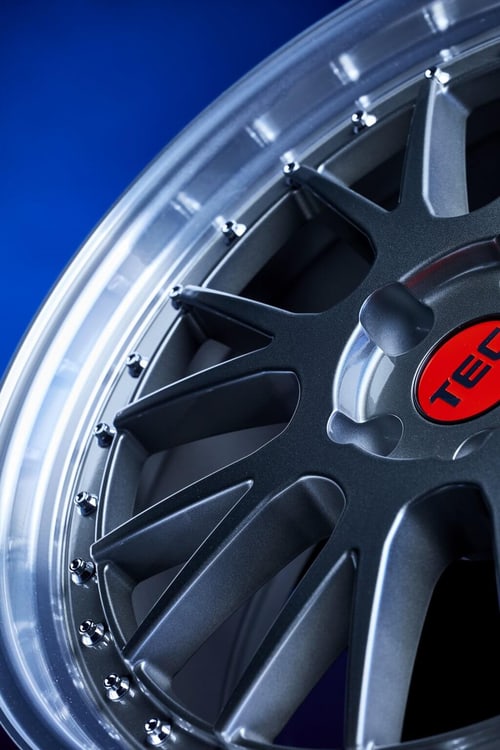
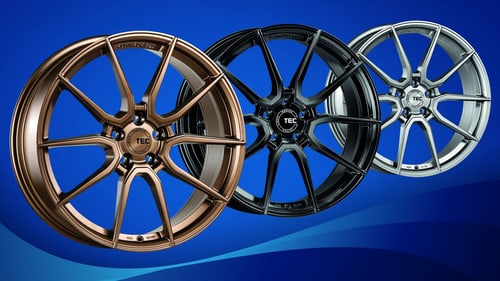
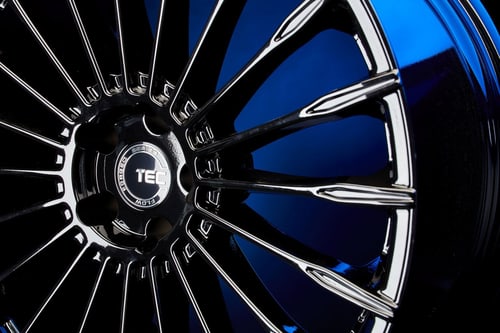
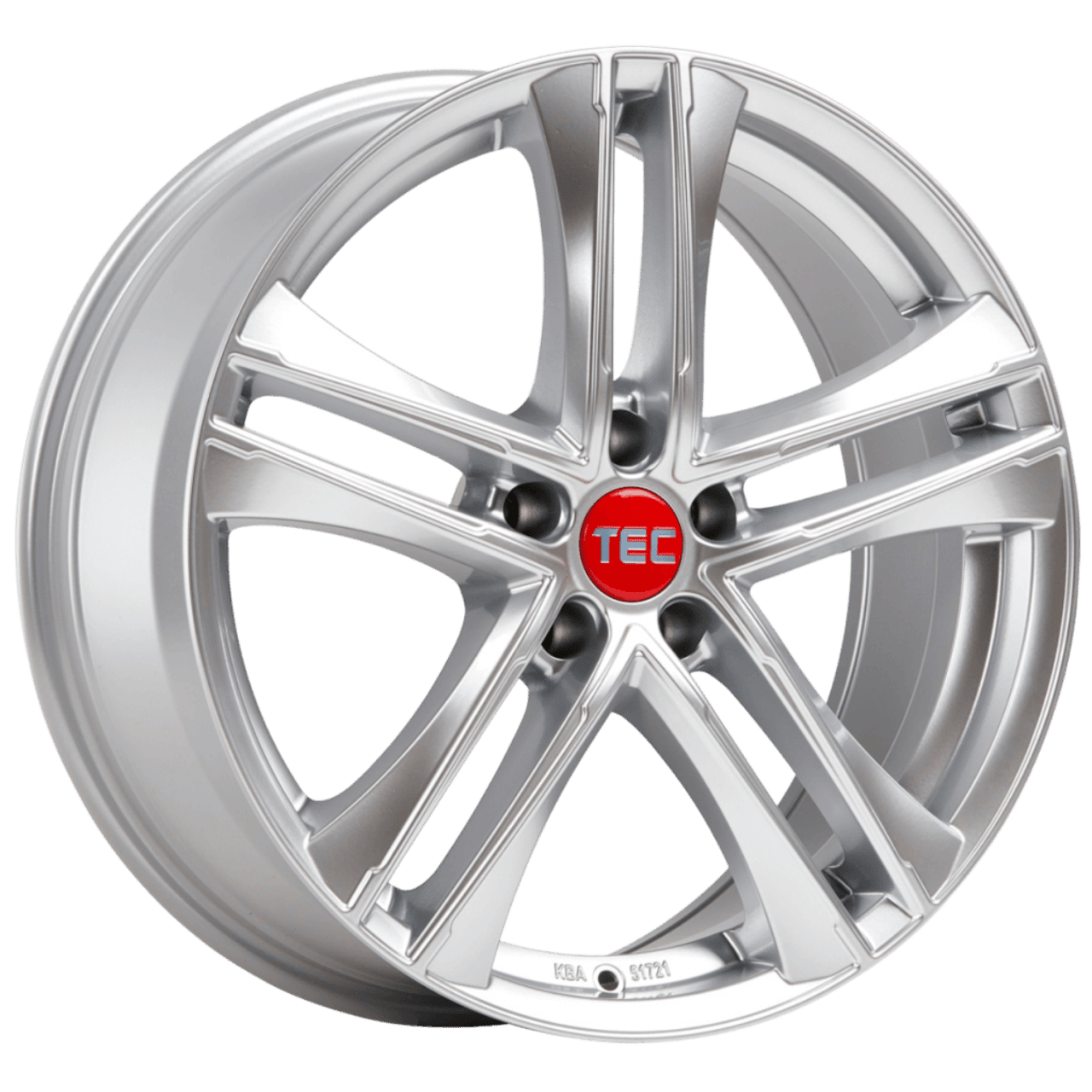
Alloy rims) are made of aluminium alloys and are among the most widely used types of rim today. They stand out for their lower weight and their versatile design possibilities. This allows modern, sporty and elegant shapes that clearly enhance a vehicle's appearance. The effect is especially strong with larger rims in the 18 to 22 inch range.
A further advantage is the weight saving compared with steel rims. Lighter rims reduce the unsprung mass and thereby improve handling. The vehicle responds more directly and feels more agile, particularly in corners or during quick steering movements. Modern series, such as those offered by TEC Speedwheels, also use optimised manufacturing methods to balance weight and strength.
The following overview shows the main characteristics of alloy rims:
| Feature | Description | Effect |
|---|---|---|
| Weight | lighter than steel | better handling |
| Design | versatile | modern look |
| Material | aluminium alloy | strong and formable |
This table illustrates why alloy rims are the preferred choice for many drivers. They combine engineering and design and suit modern vehicles especially well.
Alloy rims are therefore ideal for drivers who value looks, dynamics and up-to-date technology.
What defines steel rims and where their strengths lie
Steel rims are made of sturdy steel and are regarded as the classic solution in the automotive field. They are simpler in construction and less costly to produce, which is reflected in a lower price. They are often used in winter in particular, because they are considered resistant to external influences.
One advantage of steel rims is their robust construction. They are less sensitive to minor knocks and can cope better with damage. At the same time, however, they are considerably heavier than alloy rims, which can affect handling. Visually, steel rims also tend to look plainer and are often combined with wheel trims.
The overview below shows the characteristics:
| Feature | Description | Effect |
|---|---|---|
| Weight | heavier | less agile |
| Construction | simple | robust |
| Looks | plain | functional |
This table shows that steel rims are primarily functional. They do their job reliably but offer fewer options in design and driving dynamics.
Steel rims are therefore a solid choice when the focus is on simplicity and robustness.
How alloy and steel rims differ in handling
The difference between the two types of rim shows up especially in handling. Alloy rims are lighter and therefore give the suspension a better response. The vehicle feels more agile and reacts more quickly to steering movements. This difference is clearly noticeable, especially on sporty vehicles or with larger rims.
Steel rims are heavier, which can lead to somewhat more sluggish handling. At the same time they can damp bumps slightly more, which can feel pleasant in everyday driving. However, the difference matters mainly when driving dynamically.
The following overview shows the key differences:
| Property | Alloy rims | Steel rims |
|---|---|---|
| Driving dynamics | direct | less agile |
| Weight | low | high |
| Comfort | balanced | slightly damped |
This table shows that alloy rims offer advantages above all in sporty use. Series from TEC Speedwheels use modern manufacturing techniques to reinforce these advantages further.
The choice therefore depends heavily on how the vehicle is used.
Which rims make sense for everyday use and winter
In everyday use, both looks and function matter. Alloy rims look better and are often easier to care for if they have a high-quality coating. Modern models are also designed so that they can be used in winter, provided they have been treated accordingly.
Steel rims are often used in winter because they are considered insensitive. However, they can rust if the surface is damaged, which also causes problems in the long term. What matters is therefore less the material than the quality of the coating.
The overview below shows typical areas of use:
| Area of use | Alloy rims | Steel rims |
|---|---|---|
| Summer | very well suited | rarely used |
| Winter | suitable with a good coating | often used |
| Everyday | modern and versatile | functional |
This table shows that both types of rim can be used in everyday driving. High-quality alloy rims – like those from TEC Speedwheels – are often just as suitable for winter thanks to modern coatings.
The decision therefore depends on the intended use and the look you want.
Which rims are the better choice in the long term
In the long term, several factors play a role: durability, care effort and visual impression. With a good coating, alloy rims keep their shine and offer a modern look for many years. Steel rims are functional but lose visual quality more quickly, especially if rust develops.
Resale value is another point to consider. Vehicles with high-quality alloy rims look more valuable overall and are often more attractive on the used market. This means the investment can pay off in the long run.
The following overview shows the differences in a long-term comparison:
| Criterion | Alloy rims | Steel rims |
|---|---|---|
| Looks | lastingly high-quality | rather plain |
| Durability | high with good care | robust, but prone to rust |
| Perceived value | high | functional |
This table shows that alloy rims are often the better choice in the long term. TEC Speedwheels combines modern designs with sturdy construction, so these advantages really come into their own.
In the long term, then, it is not only cost that counts but also quality and impact.
Conclusion – alloy or steel rims: which is better?
Alloy rims and steel rims each have their own strengths. Steel rims are robust and functional, while alloy rims impress with their low weight, modern looks and versatility. For most drivers, high-quality alloy rims are the better choice, as they offer more both visually and technically. Their advantages are especially clear on modern vehicles and with larger rim sizes.
Frequently asked questions about "Alloy or steel rims – which is better?"
Many drivers are unsure which type of rim is the better choice, because both variants have their advantages. Questions often arise when comparing everyday practicality, price and handling. The following answers help you understand the differences clearly and make the right decision.
"Are alloy rims better than steel rims?"
Alloy rims offer advantages in weight, design and handling. They are lighter and give better dynamics. Steel rims are more robust and cheaper but offer fewer visual and technical advantages. The better choice depends on the intended use.
"Why are alloy rims more expensive?"
Making alloy rims is more involved and offers more design possibilities. Modern manufacturing methods are also used that reduce weight and increase strength. These factors lead to a higher price.
"Are steel rims better in winter?"
Steel rims are often used in winter but are not automatically better. Modern alloy rims with a high-quality coating can also be driven in winter. The surface is what counts, not just the material.
"Which rims last longer?"
Both types of rim can be long-lasting. Alloy rims benefit from modern coatings, while steel rims can rust if the surface is damaged. Durability depends heavily on care and use.
"Do rims really affect handling?"
Yes, weight in particular plays a role. Lighter rims give a more direct driving feel. Heavier rims can make the vehicle feel more sluggish.
"Which rims are the better investment?"
For most drivers, alloy rims are the better investment, as they improve looks, technology and handling. Models such as those from TEC Speedwheels show how modern rims combine these advantages.
Our team in Kaiserslautern checks size, offset and approvals for your car. Free and without obligation.
Wheel configurator